
AIRCAP 1™
Experience Superior Insulation
The future of hot tub covers — why insulation matters.
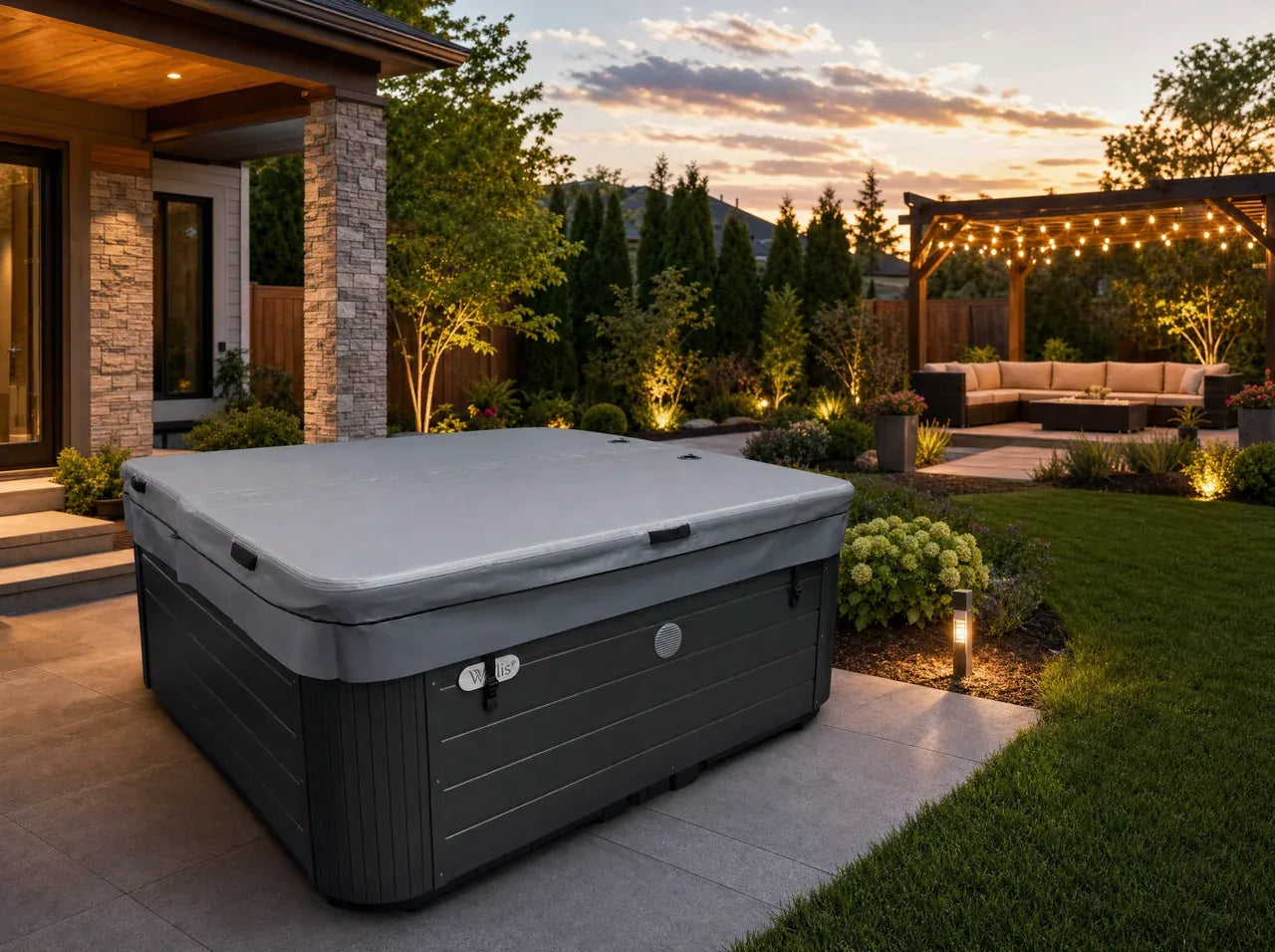
Traditional hot tub covers often fall short when it comes to retaining heat. Over time, foam covers absorb water, become heavy, and lose their insulating power — leading to higher energy bills.
The patent-pending AIRCAP 1™ hot tub cover changes the game. Engineered with our AirLoc™ advanced heat-welded drop-stitch technology, the AIRCAP 1™ delivers unmatched insulation, keeping your hot tub hotter for longer and your energy costs lower.
- 0%Water absorbed by the core — a foam cover gains weight and loses insulation as it soaks
- 7–10+ yrsMaintains its R-value
- 3"Insulating AIRCAP 1™ core
How the AIRCAP 1™ outperforms traditional covers
1. Maximum Heat Retention
- Drop-stitch construction: unlike foam, our high-pressure woven core resists waterlogging and maintains its insulating properties for years.
- All-weather performance: our patent-pending AirLoc™ airtight design forms a superior thermal barrier, minimizing heat loss even in harsh climates.
2. Efficient
- Efficient insulation: less heat escapes, so your hot tub maintains your desired temperature more efficiently — meaning lower costs and more relaxing.
- Consistent warmth: enjoy spontaneous soaks without the frustration of water-temp spikes.
3. Lifetime Energy Savings
- Lower utility bills: by reducing heat loss, the AIRCAP 1™ can lower your hot tub's energy consumption compared to aging foam covers.
- Long-term value: traditional covers degrade quickly, requiring frequent (and costly) replacements. The AIRCAP 1's™ durable design means fewer replacements and more savings over the life of your spa.
The cost of poor insulation
| Cover type | Avg. annual energy cost | Replacement cycle | 5-year total cost* |
|---|---|---|---|
| Traditional foam | $400–$600 | 3–5 years | $2,000+ |
| The AIRCAP 1™ | $280–$420 | 7–10+ years | $1,400 |
*Estimates based on average U.S. energy rates and typical hot tub usage. Actual savings may vary.
Insulating properties of the AIRCAP 1™ vs. the competition
The industry-standard OEM cover — the one provided with your new hot tub purchase — is a 1 lb density cover. Manufacturers send the least dense (cheapest) cover to cut costs. A 1.5 lb cover is considered an upgrade, and likely what you would typically buy from a retailer or online after the original cover failed.
Hot tub foam cover insulation
Foam density is a measure of how much material is packed into a given volume, usually expressed in pounds per cubic foot (lb/ft³). Here's a breakdown of the differences between foam densities of 1 lb, 1.5 lb, and 2.0 lb:
1 lb foam density
- Weight: lighter, at 1 pound per cubic foot.
- Feel: generally softer and less supportive.
- Durability: lower; tends to wear out or compress more quickly over time.
1.5 lb foam density
- Weight: middle ground, at 1.5 pounds per cubic foot.
- Feel: a balance between comfort and support — not as plush as 1 lb but not as firm as 2 lb.
- Durability: more durable than 1 lb, but not as long-lasting as higher-density foams.
2.0 lb foam density
- Weight: heavier, at 2 pounds per cubic foot.
- Feel: firmer and more supportive; less likely to snap, break, or compress under weight.
- Durability: higher, withstanding more wear and tear over time.
It's very important to understand the density of the foam and its water-absorption properties. The less dense the foam, the more air is in it — and therefore the more water it can absorb, significantly lowering the originally reported insulation benefits. A 1 lb cover will absorb more water than a 1.5 lb cover, and a 2 lb cover will absorb the least because it is the densest, with the least air.
The AIRCAP 1™ and dead air-space insulating
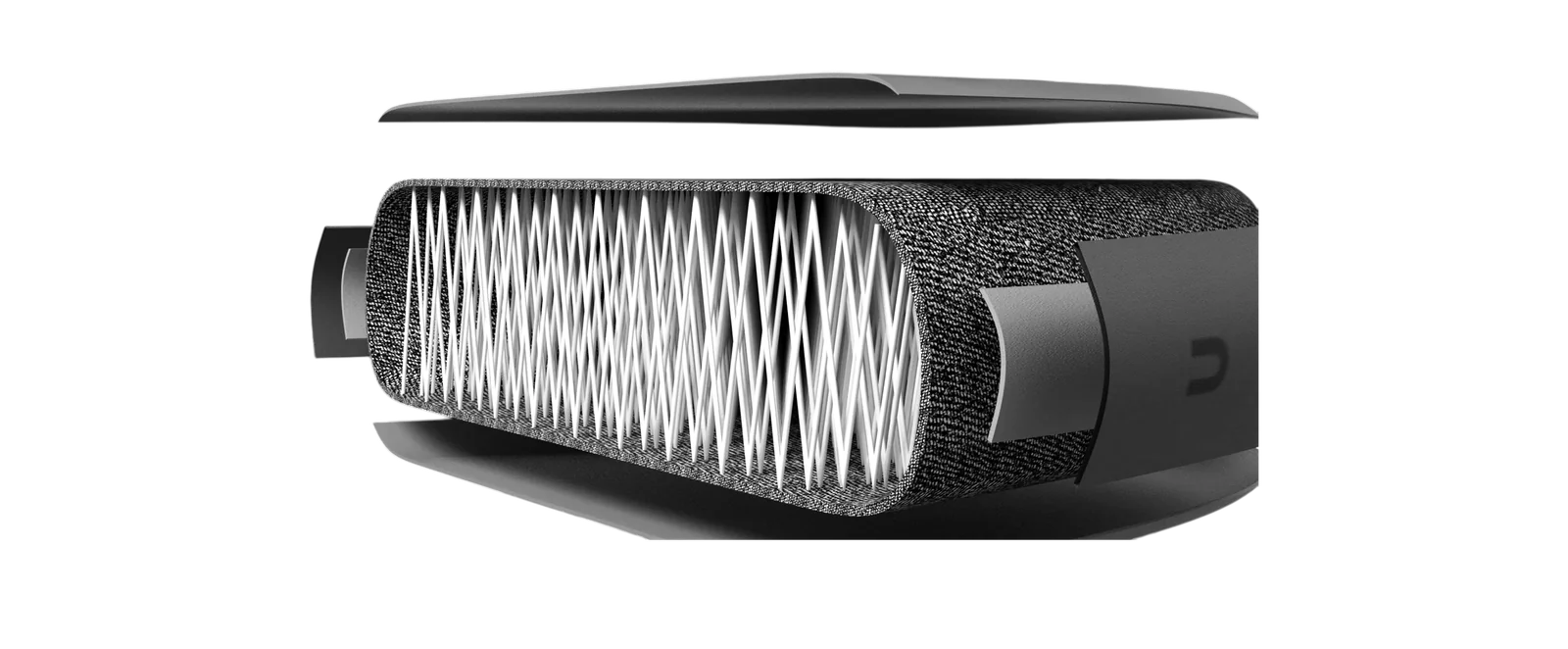
The best way to understand dead air-space insulation is to think of multi-pane windows. Dead air-space insulation is a method of trapping air between two spaces to create insulation. In practice it's difficult to achieve a completely sealed dead air space, which makes it an imperfect insulator — however, we are able to attain a dead air space within the AIRCAP 1™.
How it works
- Air is a great insulator when kept still, similar to the windows in your house.
- Engineered with our AirLoc™ advanced heat-welded drop-stitch technology.
Real-world application
- Dead air-space insulation is often used in double-wall construction.
- It's also used in storm doors and windows, where air is trapped between panes of insulated glass.
Foam covers vs. the AIRCAP 1™
Foam covers provide good insulation when new — and “new” needs to be stressed, because from that day on the foam cover's insulating properties are dropping fast. After a year, when the cover has absorbed 1–5 lbs of moisture, the insulation has been cut in half; by the 3–6 year point it is providing at or near zero insulating value, at which time it should be replaced. The AIRCAP 1™, designed with a 3″ core, will maintain its R-value for the life of the cover — expected at 7–10+ years.
Forty years of real-world studies have proven that foam covers begin failing immediately, sacrificing insulation, whereas the AIRCAP 1™ will never absorb moisture and will maintain its insulating properties in a far superior manner compared to traditional foam hot tub covers.
Find your AIRCAP 1™
Get the cover that fits your spa in seconds.
Shop the AIRCAP 1™
Six sizes for 77″–94″ square spas — about the AIRCAP · safety & ASTM F1346-23